Підручник Англійська мова 9 клас (9-й рік навчання) - О. C. Любченко - Основа 2017 рік
UNIT 7 Fit in Britain
Lesson 4 STORY OF GLORY
1. In small groups, think about the vocabulary to describe an ideal tourist destination.
- What should it be like?
- What should it have?
Be brief but clear. Exchange your ideas with other groups and make up a class description for an ideal tourist destination.
2. The British say there is much more than just London to see in the UK. Do you agree?
Look back at the views of different cities of the UK in the collage on p. 134.
- Which of them meet your criteria for being an ideal tourist destination?
- Which not?
Explain your choice to the class and exchange your opinions.

3. Divide into 4 groups to represent all parts of the UK.
- Look at the pictures and read the descriptions of some places in the UK that are neither capital cities nor cities at all. Find them on the map of the UK on p. 145.
- Tell the class about your sights.
- Make sure to include your answer to the question: How do these sights meet the criteria of being ideal tourist destinations?
The Giant's Causeway, the UNESCO World Heritage Site, is full of myth and legend. Some say it was carved by the mighty giant, Finn McCool. The site has attracted visitors for centuries. There are four stunning trails at the Giant’s Causeway suited to every ability.

The Callanish Standing Stones are an extraordinary setting of stones put up 5,000 years ago. They precede England’s famous Stonehenge, and were an important place for at least 2,000 years. We don’t know why they were erected, but the best guess is that it was a kind of astronomical observatory.

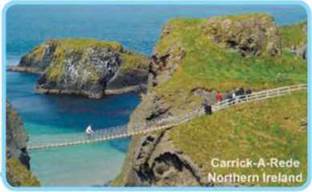
Nine miles from the Giant’s Causeway you will find the Carrick-A-Rede rope bridge, which attracts thrill seekers from all around to see if they can complete the rope bridge challenge. On the other side of the rope bridge there is Carrick Island, the reward for the brave, with diverse birdlife and a wonderful view across Scotland.
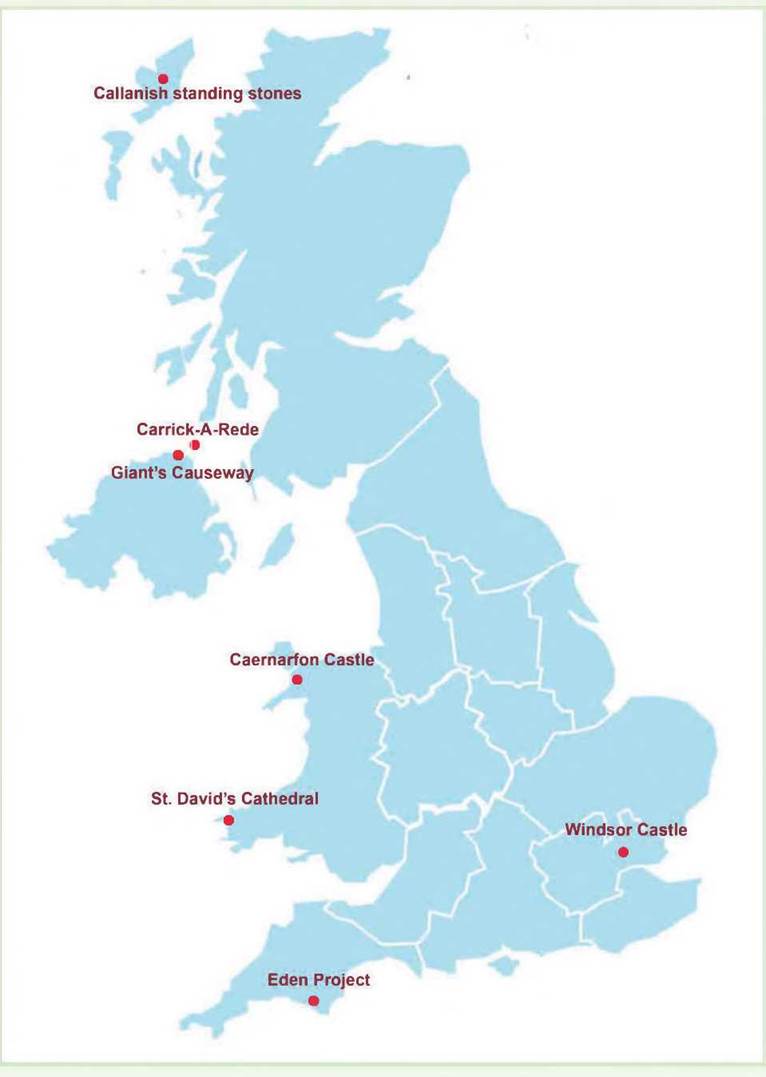

Built in the 13th Century as a seat for the first Prince of Wales, Caernarfon Castle with its 13 towers is recognised as one of the most impressive fortresses in Europe. Its royal heritage continues to this day, and in 1969 it was the scene of announcing Prince Charles's as Prince of Wales.

Located in Wales, St. David’s Cathedral is a beautiful example of architecture of the Middle Ages. The patron saint of Wales, St. David was buried there. Construction began in the 1180s. The cathedral houses a lot of treasures, including a 1620 edition of the Welsh Bible.

Windsor Castle has served as the summer residence of British Royals since 1078. It is the largest inhabited castle in the world. Admission is closed when the Queen's at home, so check for the royal flag flying. Also of note is the magnificent 6 mi-long Great Park.
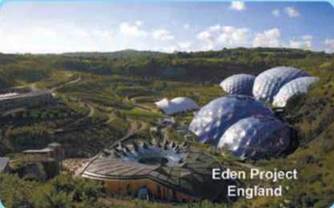
The Eden Project is a collection of amazing plants from around the world. Located in Cornwall, the complex consists of huge domes that look like igloo-shaped greenhouses housing thousands of different plants. As well as the stunning displays of plant life, the Eden Project hosts numerous fantastic arts and music events.

Located on the main island of Orkney, Skara Brae is one of the best preserved Stone Age villages in Europe. It was covered by sand for hundreds of years until a great storm exposed the site in 1850. Older than Stonehenge and the Great Pyramids, it has been called the «Scottish Pompeii» because of its excellent preservation.
Adapted from http://www.touropia.com
Did you know?
Built in 1842, the Hamilton Mausoleum in South Lanarkshire (Scotland) has the longest-lasting echo of any man-made structure in the world - a whole 15 seconds.
4. Work in the same groups. Choose ONE sight from each part of the UK and work out a tourist route as if your group were a tour agency. Present and promote your route in class.
5. Find one more place of interest in the UK for the part of the country you worked with at the lesson. Prepare a brief report of it for class. Include pictures or make a PowerPoint presentation to show in class.
Перша публікація: 01/01/2017
Останнє оновлення: 31/12/2023
Редакційна та навчальна адаптація: Даний матеріал зведено на основі першоджерела/оригінального тексту. Команда проєкту здійснила редакційне оглядове опрацювання, виправлення технічних неточностей, структурування розділів та адаптацію змісту до навчального формату.
Що було опрацьовано:
- усунення форматних дефектів (OCR-помилки, розриви структури, дефектні символи);
- редакційне упорядкування змісту;
- уніфікація термінів відповідно до академічних джерел;
- перевірка відповідності фактичних тверджень тексту першоджерела.
Усі згадки про автора, рік видання та походження первинного тексту збережено відповідно до джерела.