Англійська мова 8 клас - Кучма М.О
Unit 3 LEISURE TIME
Lesson 36
1. Use the words from the box and complete the chart. Do it in your exercise book.
to paint, sewing, to embroider, singer, to collect, to hike, painting,
embroiderer, music, to sew, singing, to play an instrument, hiker,
sewer, collecting, hiking, musician, collector, embroidery
Model:
Activity |
Action |
The doer of the action |
knitting singing |
to knit |
knitter |
2. What do we call people who do these activities?
Hobby |
Person |
1. Cooking |
cook |
2. Photography |
|
3. Acting |
|
4. Dancing |
|
5. Cycling |
|
6. Mounteneering |
|
7. Playing tennis |
tennis player |
8. Swimming |
|
9. Boxing |
3. Read about what British people like to do in their free time.
HOMES AND GARDENS
The British are known as a nation of gardeners. Most people have a garden on their property.
Many people in Britain are proud of their houses and gardens. They want them to look nice. Every town in Britain has one or more DIY (Do It Yourself) centres and garden centres. These are like supermarkets for the home and garden. These places are very popular with British home-owners on the weekends.

4. Describe the picture.
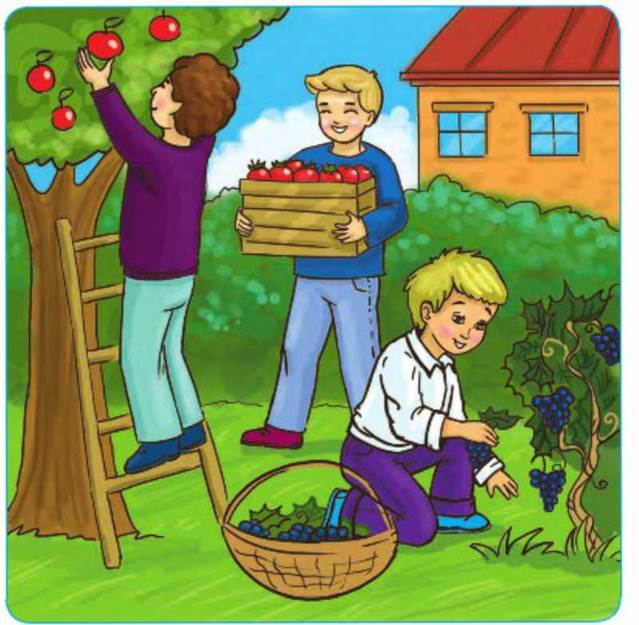
5. Look at the chart. Compare and contrast leisure activities and hobbies in both countries. Use phrases given below.
1. In … whereas in … .
2. … in comparison to … .
3. Although/While …, … .
4. Both … and … .
Great Britain |
Ukraine |
1. watching television 2. entertaining friends 3. shopping 4. gardening 5. eating out |
1. watching television 2. entertaining friends 3. hiking 4. embroidery 5. taking photos |
Перша публікація: 01/01/2016
Останнє оновлення: 31/12/2023
Редакційна та навчальна адаптація: Даний матеріал зведено на основі першоджерела/оригінального тексту. Команда проєкту здійснила редакційне оглядове опрацювання, виправлення технічних неточностей, структурування розділів та адаптацію змісту до навчального формату.
Що було опрацьовано:
- усунення форматних дефектів (OCR-помилки, розриви структури, дефектні символи);
- редакційне упорядкування змісту;
- уніфікація термінів відповідно до академічних джерел;
- перевірка відповідності фактичних тверджень тексту першоджерела.
Усі згадки про автора, рік видання та походження первинного тексту збережено відповідно до джерела.