Підручник Англійська мова 4 клас - Несвіт Алла - Генеза 2015 рік
Unit 1 ALL ABOUT US
Lesson 5
1. a) Listen and repeat.
is — was are — were
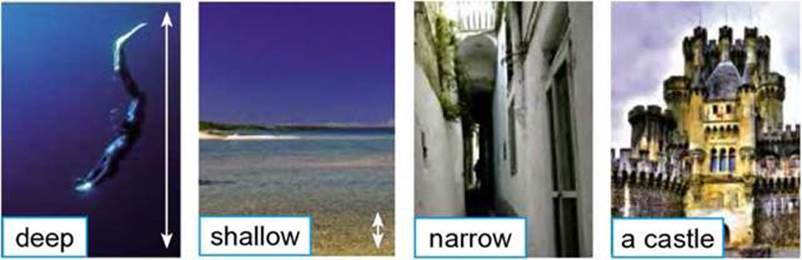
b) Say.
E x a m p l e:
The river is shallow now. It was deep many years ago. There are many narrow streets in this town. The streets were narrow in the past, too.
2. Listen and read.
Granny Tells a Story
Colchester is one of the oldest Roman towns in Great Britain.
It is situated on the River Colne. The river was deep in Roman times, but now it is shallow. The town of Colchester was not large and the buildings were small in the past. The biggest building was the castle. The streets were narrow and there were no cars or buses.
3. Say true, false or don’t know.
1. In Roman times Colchester was large.
2. All the buildings were small.
3. The castle was small, too.
4. The streets in the town were narrow.
5. There were many cars and buses there in the past.

Colchester Castle
4. Work in pairs. Take turns to ask and answer the questions about Colchester.
E x a m p l e:
- Was there a castle in Colchester?
- Yes, there was.
5. a) Look, read and say.
1. Modern streets are not narrow. In Roman times the streets were narrow.
2. There are many cars and buses in this town. There were not any cars and buses in Colchester many years ago.
b) Complete the sentences about your town (city, village). Use the words: is, are, was, were.
1. My town (city, village) ….. very / not very old.
2. The streets in our town (city, village) ….. wide and clean.
3. The houses ….. big and modern.
4. Many years ago the streets in our town ….. narrow and dirty.
5. The houses ….. small and old.
Перша публікація: 01/01/2015
Останнє оновлення: 31/12/2023
Редакційна та навчальна адаптація: Даний матеріал зведено на основі першоджерела/оригінального тексту. Команда проєкту здійснила редакційне оглядове опрацювання, виправлення технічних неточностей, структурування розділів та адаптацію змісту до навчального формату.
Що було опрацьовано:
- усунення форматних дефектів (OCR-помилки, розриви структури, дефектні символи);
- редакційне упорядкування змісту;
- уніфікація термінів відповідно до академічних джерел;
- перевірка відповідності фактичних тверджень тексту першоджерела.
Усі згадки про автора, рік видання та походження первинного тексту збережено відповідно до джерела.